AGP Executive Report
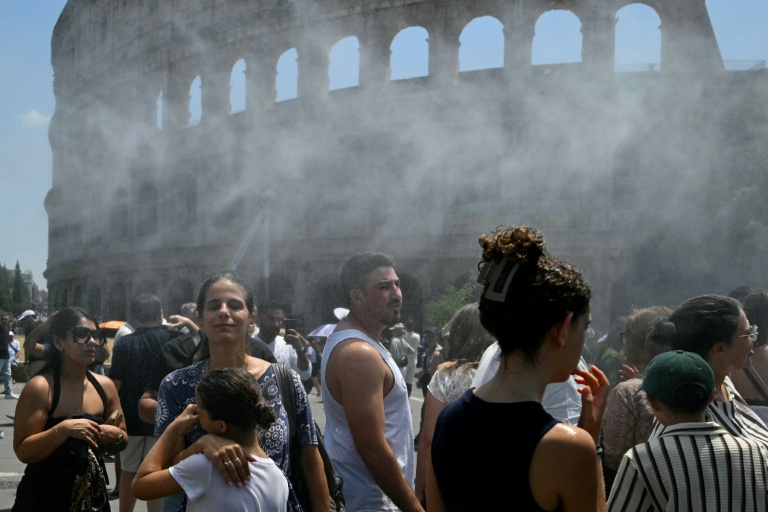
Last update: 9 hours agoHeatwave & Hospital Strain: Paris has introduced temporary bans on alcohol consumption and takeaway sales in public during peak hours, as officials say hospitals are at “saturation point” amid record temperatures and rising heat-related cardiac emergencies. Air Quality & City Cooling: Prague is rolling out city-wide street watering and misting across all districts to cool public spaces and reduce the impact of high ground-level ozone. Extreme Weather Preparedness: Across Europe, heat alerts are being extended and shifted east, with Germany and Czechia warning of very high temperatures and health risks. Public Safety at Events: After Mexico’s World Cup win over Czechia, a car drove into a crowd of celebrating fans in Cabo San Lucas, injuring at least 17 people; authorities detained the driver and opened an investigation. Disaster Response: Venezuela’s twin earthquakes (7.2 and 7.5) have killed at least 188 and injured over 1,500, with international rescue teams and aid—including Czech support—mobilizing for search and recovery. Mental Health & Travel: New Czech-linked research highlights how chronic stress and past stressful experiences can fuel fear of flying (aviophobia), with symptoms ranging from panic to rapid heartbeat. Vision Science: Researchers report the first 3D structure of human cone opsins in their dark state, offering fresh clues for understanding color vision and retinal diseases.
Note: AI summary from news headlines; neutral sources weighted more to help reduce bias in the result. Feedback is welcome. Please let us know if you have any comments or suggestions about the AGP Executive Report.

 Perspectify News